
Digestive Concern
ABOUT
Digestive Concern
Simple indigestion affects nearly everyone from time to time, and though it is not considered to be a serious health condition, it can be quite bothersome. Digestive complaints can be the result of many issues such as a poor diet, an altered gut microbial balance, chronic infection, stress, H. pylori infection and/or gluten sensitivity just to name a few. It is typically characterized by abdominal discomfort that often occurs after eating a meal, but it may not always be related to food. Symptoms also include heartburn, bloating, stomach pain, passing gas, belching, diarrhea, constipation and/or nausea. A complete health review, possibly including a detailed lab work up is always an important first step towards identifying the cause and to ruling in or out other more serious health concerns including any one of the ones listed below.
For more information about our comprehensive approach to treating digestive concerns, read more about our treatment plan below, or schedule an appointment with one of our Naturopathic Doctors.
Symptoms & Causes
Simple indigestion affects nearly everyone from time to time, and though it is not considered to be a serious health condition, it can be quite bothersome. Digestive complaints can be the result of many issues such as a poor diet, an altered gut microbial balance, chronic infection, stress, H. pylori infection and/or gluten sensitivity just to name a few. It is typically characterized by abdominal discomfort that often occurs after eating a meal, but it may not always be related to food. Symptoms also include heartburn, bloating, stomach pain, passing gas, belching, diarrhea, constipation and/or nausea. A complete health review, possibly including a detailed lab work up is always an important first step towards identifying the cause and to ruling in or out other more serious health concerns including any one of the ones listed below.
Symptoms & Causes
Simple indigestion affects nearly everyone from time to time, and though it is not considered to be a serious health condition, it can be quite bothersome. Digestive complaints can be the result of many issues such as a poor diet, an altered gut microbial balance, chronic infection, stress, H. pylori infection and/or gluten sensitivity just to name a few. It is typically characterized by abdominal discomfort that often occurs after eating a meal, but it may not always be related to food. Symptoms also include heartburn, bloating, stomach pain, passing gas, belching, diarrhea, constipation and/or nausea. A complete health review, possibly including a detailed lab work up is always an important first step towards identifying the cause and to ruling in or out other more serious health concerns including any one of the ones listed below.
TREATMENTS
DIGESTIVE HEALTH CONDITIONS TREATED
Celiac Disease
Celiac disease, also called celiac sprue, is a digestive disorder that occurs when an individual’s immune system overreacts to the protein gluten, found in grains including wheat, rye and barley. When someone with the disease eats food that contains gluten, the immune system’s response damages the intestinal lining and symptoms such as abdominal pain, bloating and diarrhea typically occur. Nutrient aborption is decreased and fatigue and unhealthy weight loss typically follow.
Researchers believe that many cases of celiac disease are inherited. In fact, it is estimated that if someone in a persons immediate family (parent or sibling) has celiac disease, that person has a 5-15% chance of developing the disease as well. Trauma may also be a cause. It appears that many cases of celiac disease develop after trauma, such as an infection, stress, physical injury, surgery, or pregnancy.
Common Symptoms:
There are many symptoms that can result from celiac disease including: Weight loss, diarrhea, abdominal cramps, gas, bloating, fatigue, foul-smelling or grayish stools that may be oil, stunted growth in children, and osteoporosis. Interestingly, some people may not have any of the digestive symptoms, and instead develop a skin conditions called dermatitis herpetiformis. This is a painful skin rash that can be mistaken for eczema or psoriasis.
Avoiding gluten containing food typically leads being able to maintain a normal, healthy life. Symptoms will subside within several weeks and affected people will be able to absorb food normally, however it may take several months in children and 2-3 years in elderly patients for the intestine to fully recover.
Food Sensitivities
Common symptoms of food intolerances include: Bloating and abdominal distention are quite common. People often describe their bloating as feeling as though they are 6 months pregnant. Others include gas, heartburn, constipation, diarrhea and IBS-like symptoms. Symptoms related to parts of the body outside of the digestive system are also common including eczema, headaches and migraines, joint pain, weight gain, yeast infections and depression can also occur.
What is a Food Allergy vs a Food Intolerance?
It is easy to confuse the two however they are two different things. A food allergy occurs when an persons immune system mistakes a certain food as a foreign substance and triggers a reaction that results in IgE antibody production. Symptoms can occur quickly (anywhere from minutes to hours) and typically include a scratchy throat, lips or a rash. If there has been exposure in the past then anaphylaxis can result leading to a drop in blood pressure, breathing difficulties, shock, and loss of consciousness, all of which can be fatal.
A food intolerance is the result of other reactions to food and often include IgG or IgA antibody production. Gas, bloating and diarrhea or constipation are all common symptoms. These are not life threatening however they can lead to severe digestive upset and be the cause of much distress and discomfort. Common causes include too early or late food introduction with infants, overconsumption of certain foods and/or genetically modified foods.
Irritable Bowel Syndrome
Irritable Bowel Syndrome (IBS) is a functional bowel disorder, meaning it is a condition in which the bowel appears normal when tested, but does not function normally. Common symptoms include abdominal pain, gas and bloating and bowel habit irregularities (constipation and/or diarrhea). Outright pain and abdominal cramping are other common symptoms experienced by IBS sufferers.
Our digestive wellness approach is designed to first identify the key triggers that may be contributing to your symptoms. Stress and food sensitivities are very common causes of this condition and as such often assessed for during the intitial appointment. Once the root issues are uncovered, we provide our patients with practical treatment guidelines based on the 4 R’s approach to decrease symptoms and help heal your digestive tract. The 4 R’s include: Remove (food intolerances, unhealthy foods), replace (with healthy foods), re-inoculate (the good bacteria) and repair (the gut lining). With a healthy gut, you will notice improved energy levels, improved sleep, and much less digestive discomfort.
Inflammatory Bowel Disease
Inflammatory bowel disease (IBD) refers to two chronic diseases that cause inflammation of the intestines: Ulcerative colitis and Crohns disease. The symptoms of these two illnesses can be very similar, which often makes it difficult to distinguish between the two. These symptoms include persistant diarrhea and/or constipation, rectal bleeding and/or blood in the stool, abdominal pain, weight loss and fatigue.
The Naturopathic Doctors at KIH will assess you and run the necessary diagnostic tests required to identify your associated triggers. They will also formulate specific treatment plans that include nutritional counselling, natural supplement recommendations and/or lifestyle modifications to help create better digestive health and eliminate or reduce unpleasant symptoms and medications.
More detailed menu planning can also be helpful to those suffering from IBD. Seeing the meals laid out in a practical plan is often just what they need to feel more confident knowing they are making healthy nutritional choices.
Gastroesophageal Reflux Disease
Gastroesophageal Reflex Disease (GERD) or acid reflux occurs when liquid or food from the stomach regurgitates into the esophagus. This liquid may contain stomach acids and bile. In some cases, the regurgitated stomach contents can cause inflammation, irritation, and damage to the esophagus.
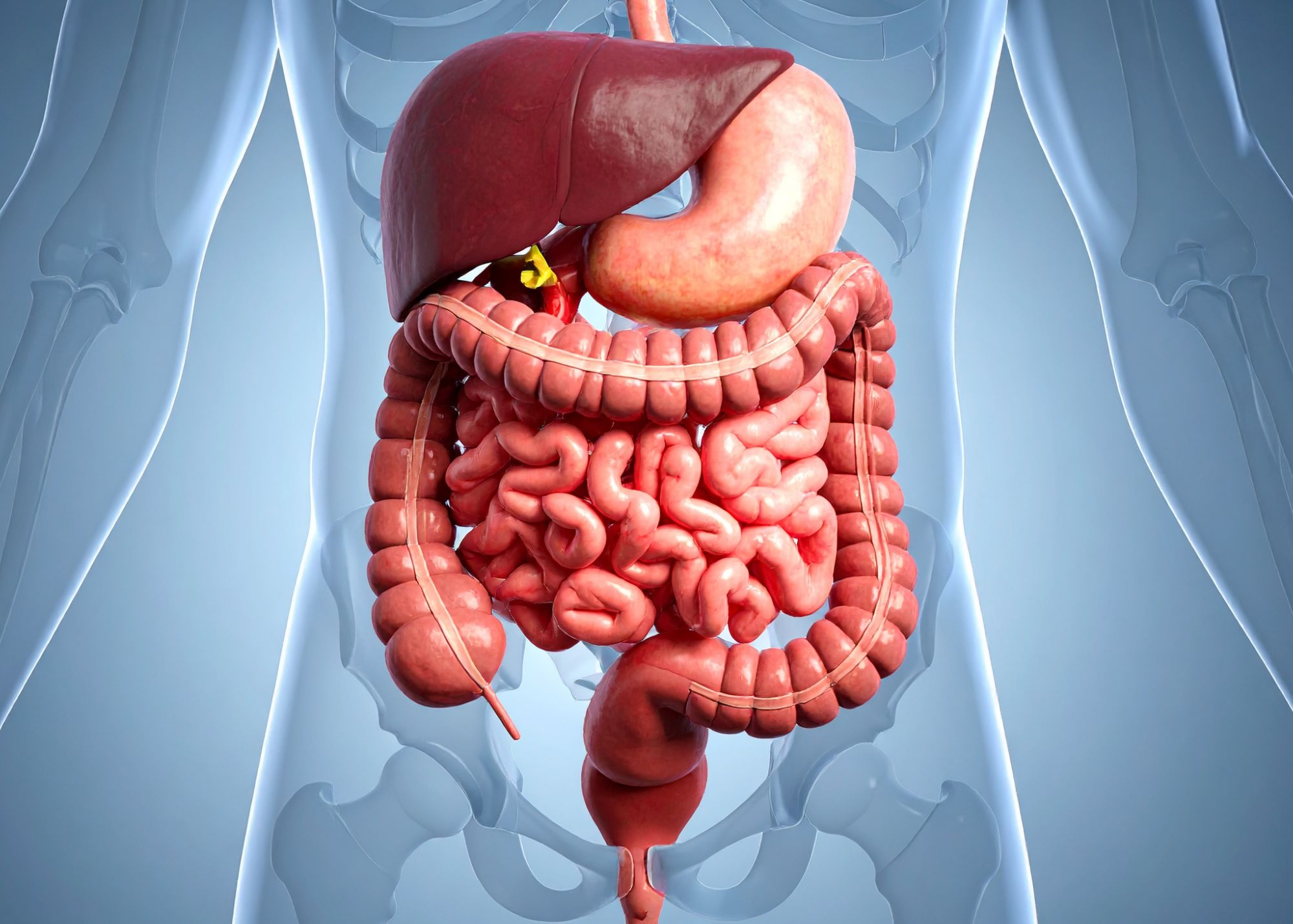
Did you know that the digestive tract is one continuous pathway starting at the mouth and ending at the lower part of the bowel (i.e. the rectum)? The digestive process begins when food enters the mouth. When a person begins to chew food, digestive enzymes in the saliva break the food down before it is swallowed. The esophagus is a muscular tube that carries food and liquids from the mouth to the stomach. The stomach contains harsh enzymes and gastric acid that further break down food so it can be absorbed by the body.
The first step to treating acid reflux is to look for and identify your key triggers. Though people with reflux often respond very well to dietary changes, it is also important to examine whether or not you have any food intolerances. Even though you think you may eat a healthy diet, it may not be that healthy if it includes foods you are sensitive or allergic to. Also, do you have poorly controlled stress? This can either increase or decrease the amount of stomach acid your body produces. Determining what your unique triggers are will get you one step closer to knowing which treatment option(s) will work best.
Our Integrative Approach involves an assessment with one of our Naturopathic Doctors. They will run any necessary diagnostic tests required to identify what is aggravating your condition. Following that, they will formulate a treatment plan that includes nutritional counselling, natural supplement recommendations and/or lifestyle modifications to help create better digestive health and eliminate or reduce unpleasant symptoms and medications.